
In the intricate tapestry of human existence, the pursuit of wellness is often viewed through the lens of physical health alone. What does the bible say about wellness? In this blog we will take a brief look at the The Theology of Wellness.
A holistic understanding of wellness extends beyond the confines of the body. It also delves into the realms of the spiritual, emotional, and mental dimensions.
Rooted in a theological perspective, the theology of wellness weaves together the sacred and the physical, emphasizing the interconnectedness of the divine within every facet of our being.
At its core, the theology of wellness recognizes that our bodies are temples of God. We are vessels through which we experience and express our spirituality. This perspective draws inspiration from ancient Christian traditions. The Theology of Wellness encourages us to care for our bodies as an act of reverence for the divine dwelling within.
The ancient adage “mens sana in corpore sano”, a Latin phrase usually translated as a healthy mind in a healthy body, finds resonance here. It highlights the inseparable link between physical and spiritual well-being.

In Christianity, the theology of wellness finds grounding in the biblical understanding of the body as a temple of the Holy Spirit.
The Apostle Paul, in his first letter to the Corinthians, asserts, “Do you not know that your bodies are temples of the Holy Spirit, who is in you, whom you have received from God? You are not your own; you were bought at a price. Therefore, honour God with your bodies” (1 Corinthians 6:19-20, NIV).
This sacred injunction underscores the responsibility to care for one’s body as an expression of gratitude for the divine gift of life.
Beyond the physical, the theology of wellness extends its embrace to the emotional and mental dimensions of human existence. Recognizing the interconnected nature of the human experience. The theology of wellness acknowledges that emotional and mental well-being are integral components of a healthy and harmonious life.
In this light, practices such as mindfulness, meditation, and prayer become not only tools for stress reduction, but also avenues for nurturing the spirit within.
Moreover, the theology of wellness emphasizes the importance of community and interconnectedness. Recognizing that the divine resides not only within individuals. But also in the collective as the body of Christ, it encourages communal practices that foster well-being.
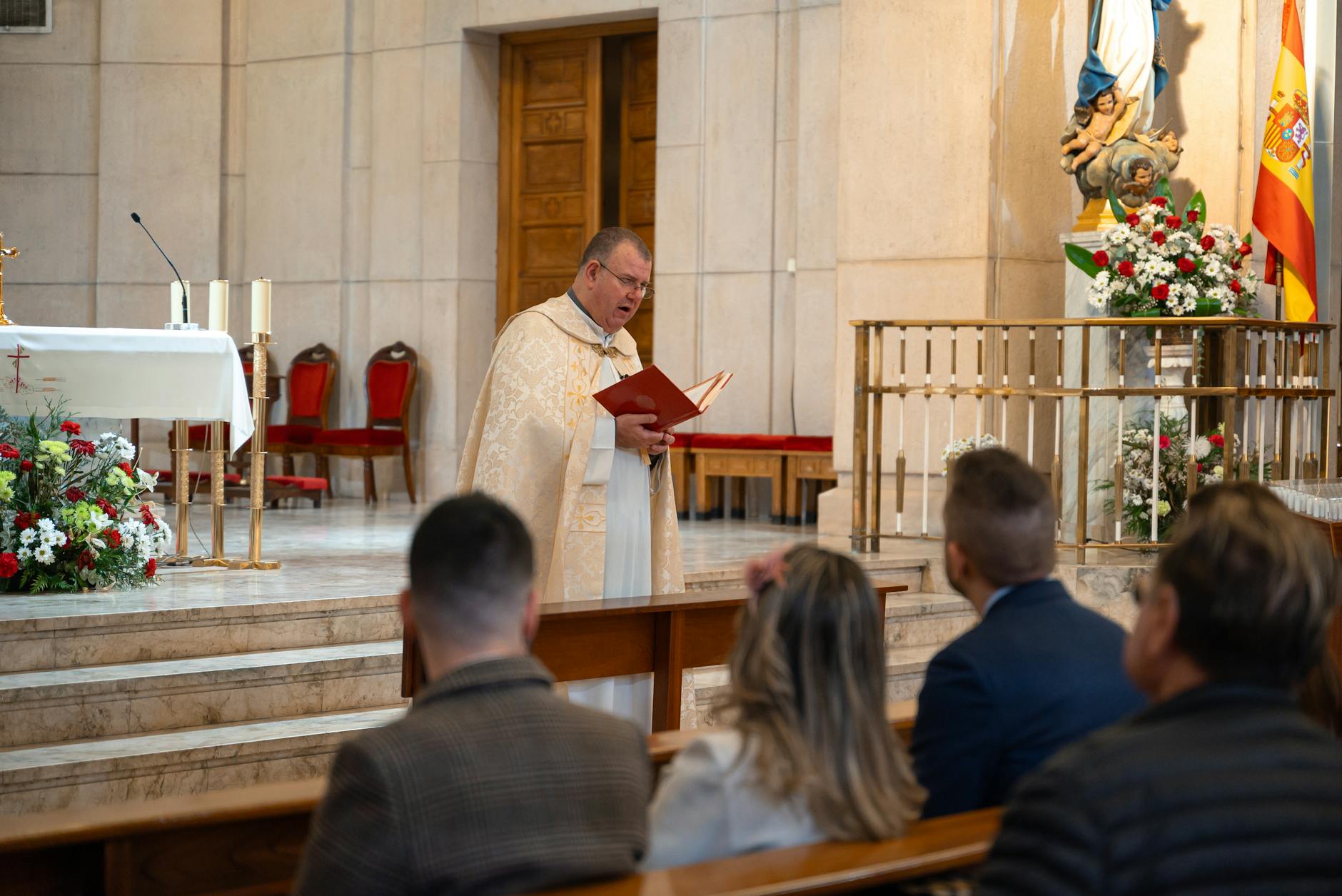
Congregational worship, the Eucharist, fellowship, and acts of compassion become expressions of the theology of wellness. reinforcing the idea that caring for oneself is intricately tied to caring for the broader human family.
In the realm of ethics, the theology of wellness invites contemplation on how individuals treat their bodies, minds, and emotions.
The theology of wellness challenges societal norms. Holistic well-being advocates for practices that honour the Holy Spirit within each believer. This includes diet, exercise, rest, and the cultivation of virtues such as gratitude, humility, and self-love.
The theology of wellness, therefore, provides a theological framework for understanding and cultivating the fullness of human well-being. It invites individuals to embark on a sacred journey of self-care, recognizing that in the pursuit of wellness. In doing so, they are not only honouring their own divinely created selves, but also participating in a profound act of worship.
Copyright © 2024. Paula Rose Parish. All Rights Reserved.








 almostcatholic.blog
Leave a reply to How Personal Development Helps Your Christian Faith and Practices – Almost Catholic, The Journey Home Cancel reply