
What’s the Difference and Why It Matters
Christianity is the world’s largest religion, yet it’s far from uniform. Among its two largest branches are Catholicism and Protestantism, which differ significantly in how faith is expressed and practised. So why explore Catholic vs. Protestant Priests, and What’s the Difference and Why It Matters?
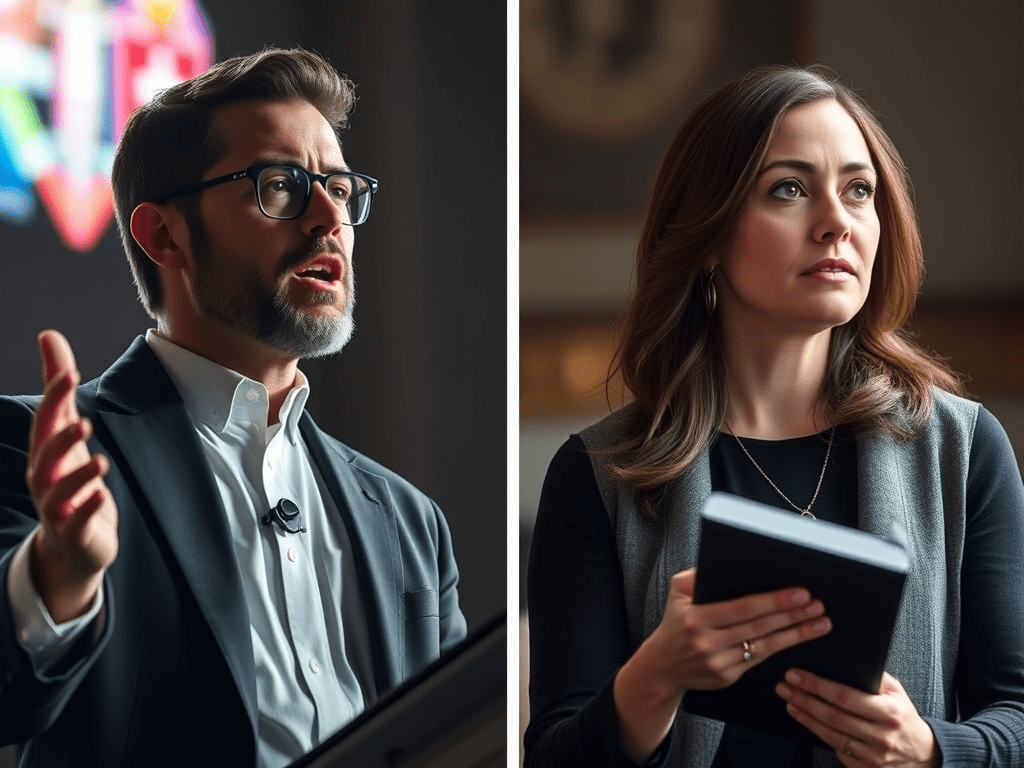
At the heart of these distinctions stands the figure of the priest or pastor — the person entrusted with guiding believers, preaching the Word, and leading worship. But what truly separates a Catholic priest from a Protestant minister?
While both serve God and care for their congregations, they differ in theology, authority, lifestyle, and the very meaning of their calling.
The Catholic Church is a worldwide organisation under a single authority and teaching. While Protestantism is a movement made up of hundreds of thousands of individual churches, it often does and believes different things. Let’s explore these differences in depth.
1. The Nature of the Priesthood
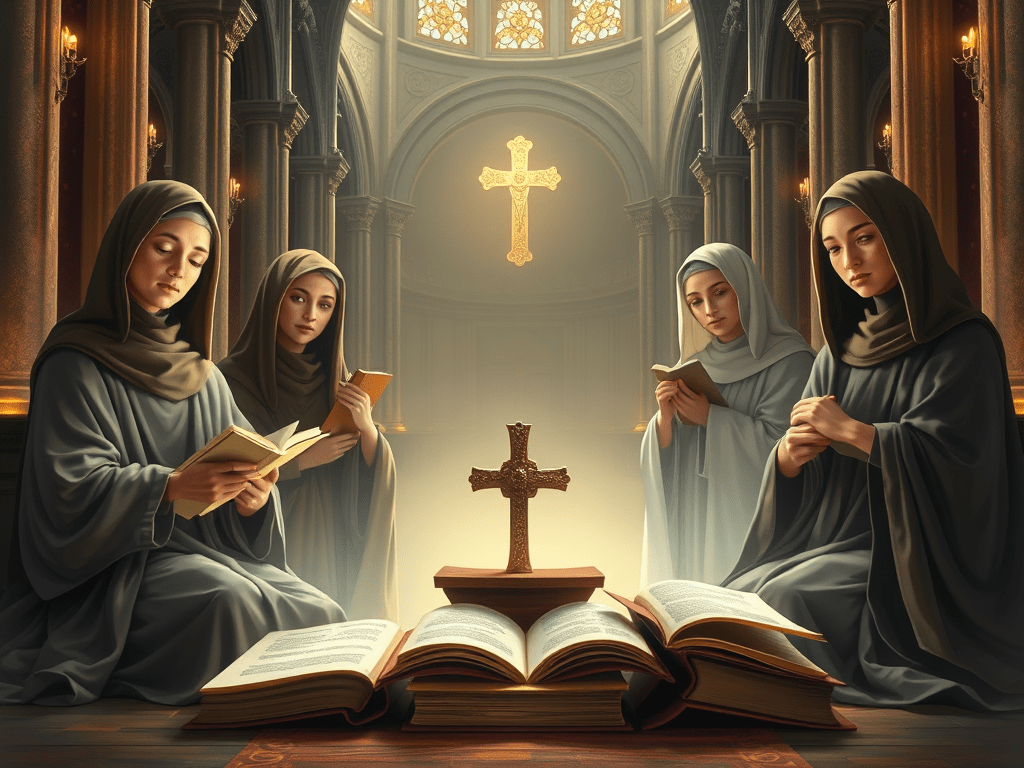
For Catholics, the priesthood is a sacred office established by Jesus Christ himself. When a Catholic priest celebrates Mass or performs the sacraments, he acts in persona Christi — in the person of Christ. This means that during key moments, such as the Eucharist or Confession, Christ works through the priest to bring grace to the faithful.
This belief is rooted in Apostolic Succession, the idea that every Catholic priest is ordained by a bishop in an unbroken line of succession back to the apostles. Through this lineage, the Church maintains continuity with Christ’s original mission.
Protestants, however, view the role of clergy very differently. During the Protestant Reformation of the 16th century, reformers like Martin Luther emphasised the “priesthood of all believers.” This teaching holds that all Christians have direct access to God through Jesus Christ — no special mediator is needed.
Thus, a Protestant minister or pastor is primarily a teacher and shepherd, not a mediator. Their role focuses on preaching, pastoral care, and helping believers grow in their personal faith, rather than performing sacred rituals that transmit divine grace.
2. Mediation and the Sacraments
One of the most striking contrasts between the two traditions is how they understand sacraments — sacred acts like Baptism and Communion.
In Catholicism, the priest plays a crucial role in mediating God’s grace through the seven sacraments:
- Baptism
- Confirmation
- Eucharist
- Reconciliation (Confession)
- Anointing of the Sick
- Marriage
- Holy Orders
During the Eucharist, Catholics believe that the bread and wine truly become the Body and Blood of Christ — a mystery known as transubstantiation.
In contrast, most Protestant denominations recognise only two sacraments —
- Baptism
2. Communion
These two sacraments are viewed as symbols or memorials, not literal transformations. For Protestants, grace comes through faith alone, not through priestly ritual.
This reflects the broader Protestant focus on personal faith and Scripture, rather than institutional or sacramental mediation.
3. Authority and Tradition
Another fundamental difference lies in where each tradition locates spiritual authority.
In the Catholic Church, authority is grounded in both Sacred Scripture and Sacred Tradition, as interpreted by the Magisterium, the teaching authority of the Pope and bishops. A Catholic priest, therefore, serves within a structured hierarchy and must teach in harmony with official Church doctrine.
Protestants, however, uphold the principle of Sola Scriptura (“Scripture alone”). This means that the Bible is the final and sufficient authority for faith and practice. While traditions and church councils may be respected, they are always subject to the authority of Scripture.
As a result, Protestant ministers receive their authority not from a bishop or a pope but from their congregation, a denominational body, or a personal call from God. Many Protestant churches operate democratically, allowing local congregations to govern themselves.
4. Celibacy, Marriage, and Lifestyle
Lifestyle expectations for clergy also reveal big theological differences.
In the Catholic tradition, priests in the Latin Rite take a vow of celibacy, dedicating themselves wholly to the service of God and the Church. This discipline, rooted in centuries of tradition, is seen as a way for priests to imitate Christ’s own single-hearted devotion to God.
In contrast, Protestant ministers are generally free to marry and have families. This reflects the Protestant understanding that marriage is a divine vocation and that pastors can serve God effectively while participating in family life.
Even in appearance, differences show. Catholic priests typically wear clerical collars and liturgical vestments, emphasising their sacred office.
Protestant ministers’ attire varies widely. Some wear robes or collars (especially in traditional denominations like Anglican or Lutheran), while others dress casually to reflect a more informal, approachable ministry style.
5. Worship and the Central Focus
The focus of worship also differs profoundly between Catholic and Protestant traditions.
For Catholics, the central act of worship is the Mass, centred on the celebration of the Eucharist. The Mass is seen not just as a remembrance, but as a sacred mystery through which God’s grace flows to His people.
Protestant Church services, however, are typically centred on the Word of God, Scripture reading, preaching, and congregational singing. While many Protestant churches celebrate Communion, it is usually less frequent and treated as a symbolic act of remembrance, not as anything more.
Catholic priests also perform the sacrament of Confession, hearing sins and granting absolution in Christ’s name. Protestant pastors encourage believers to confess their sins directly to God, sometimes with accountability and prayer support within the community.
6. Unity and Diversity
The Catholic Church maintains a single global structure under the Pope, creating a remarkable degree of unity in doctrine and worship across cultures.
Protestantism, by contrast, is known for its diversity. There are thousands of Protestant denominations, from Lutheran, Anglican, and Methodist to Baptist, Presbyterian, and Pentecostal. Each has its own approach to ministry, worship, and governance.
Some, like the Anglicans and Lutherans, preserve much of the traditional liturgy and even use the title “priest.” Others, like Baptists and Pentecostals, emphasise spontaneity, personal testimony, and direct experience of the Holy Spirit.
This diversity illustrates the Protestant commitment to individual interpretation of Scripture and freedom of conscience in faith and practice.
Conclusion: Two Paths, One Purpose
At their core, both Catholic priests and Protestant ministers share the same ultimate mission: to lead people toward a deeper relationship with God through Jesus Christ and to save souls.
Catholic priests serve as sacramental mediators, continuing what they believe to be an unbroken line of apostolic authority. Protestant pastors serve as spiritual guides and teachers, emphasising direct access to God through faith and Scripture.
Whether through the solemn beauty of the Mass or the heartfelt preaching of a Sunday service, both point toward the same truth: that God’s grace is real, transformative, and open to all who believe.
☕ If you’d like to support what I am doing: Buy Me a Coffee. If you find my videos & writing inspiring and uplifting, consider supporting what I do. Buy me a coffee. Your support makes a difference in my life and helps me create more of what you and I like. Thank you
For Inspirational Videos Click HERE
I’m Paula Rose Parish — a former atheist of 21 years, Protestant pastor for over 40 years, and now a Catholic convert. After a powerful encounter where Jesus audibly called me to follow Him, my life was forever changed. I’ve ministered across Australia, the USA, and the UK, and today, I share my journey of faith, hope, and transformation.
This is a place for seekers, converts, reverts, and the curious. Here, you’ll find honest conversations about Catholicism, personal testimony, theological insight, and encouragement for those walking toward (or wondering about) the Catholic Church.
🕊️ From Atheism to Faith. From Pastor to Catholic.
📖 Read my blog: www.almostcatholic.blog
🌿For Free Holistic Well-being Resources www.paularoseparish.org
And Videos- YouTube https://www.youtube.com/channel/UCvdQ4NPTNfXSnwd3pimPh0g
🕊️You can also find all my Books by following the links to Amazon.com or Amazon.co.uk
🙏 Subscribe, like, and share if you find something meaningful here.
Jesus loves you — and He’s calling you home. Welcome to the journey. 💕✝️
Contact by Email: paularoseparish@gmail.com
If you are struggling to find non-judgmental advice or support, please feel free to contact me. If you are grieving and need to talk or seek spiritual help, drop me an email to chat with me.
In the comments section, I would love for you to share your faith stories and comments with this community.
#catholichurch #protestant #journeyhome #catholicapologetics #rcia #paularoseparish
Copyright © 2024. Paula Rose Parish. All Rights Reserved
We seek to foster a sense of community. All blog posts are here for your encouragement and to share with others. You will find various topics relevant to faith and wellness in everyday life.
I


Thanks for your Visit Here, feel free to leave a comment 💟