From Pentecostal Praise to Catholic Reverence

An Easter Journey-

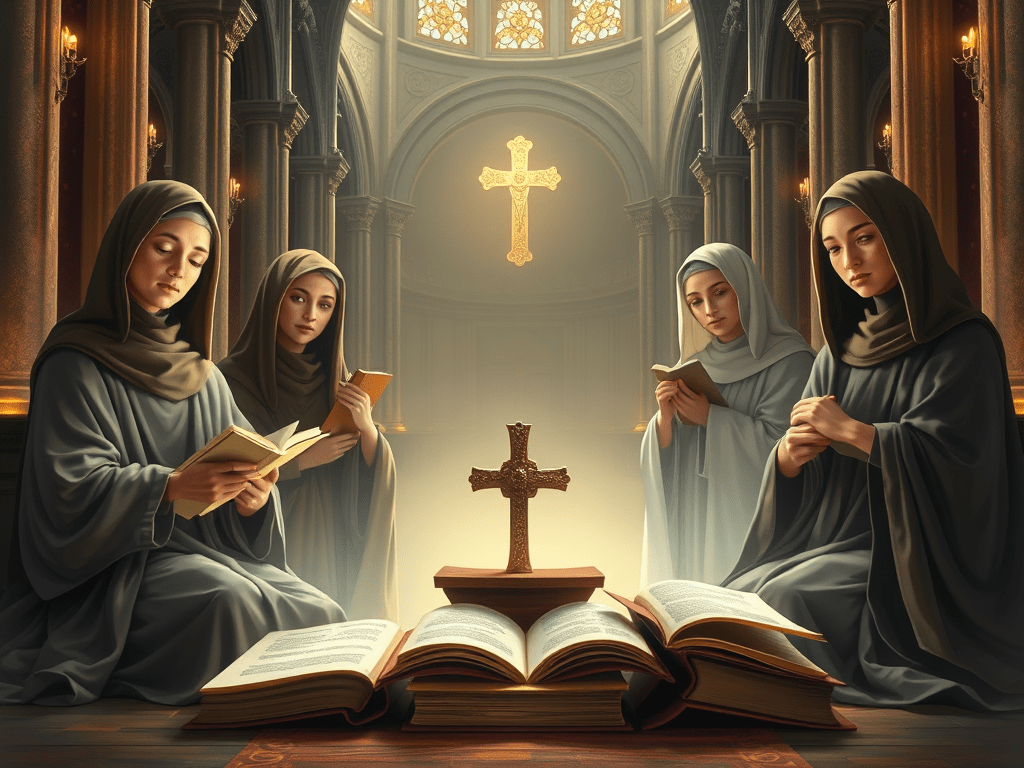
I’ve walked quite a path through the Christian world – from Pentecostal Praise to Catholic Reverence.

I was once a Pentecostal minister in Australia, where Easter came alive with passionate worship and Spirit-filled gatherings.

Then I became an Evangelical minister in America, where Good Friday was solemn, Easter Sunday was explosive with joy, and church felt like home.

Later, I served as a Reformed minister in the UK, preaching the resurrection with theological depth and pastoral care.

And now, I find myself in the Roman Catholic Church, right here in the UK, experiencing Easter through ancient liturgy and sacred silence. So, you can see, I have gone from Pentecostal Praise to Catholic Reverence.

These transitions have shaped not just my theology, but my whole experience of faith and community. Each tradition I’ve been part of has had its own unique rhythm and beauty regarding Good Friday and Easter Sunday. That’s why I’m writing this post—to explore and reflect on how these different streams of Christianity celebrate the same life-changing story: the death and resurrection of Jesus Christ.

Whether you’re from one of these traditions or just curious about how the Church around the world marks Easter, I hope this gives you some insight, maybe even a sense of shared wonder, at the heart of our common faith.

How do  Australian Pentecostals celebrate Good Friday and Easter Sunday?

Australian Pentecostals celebrate Good Friday and Easter Sunday with vibrant and deeply meaningful worship services that reflect both the solemnity of Christ’s sacrifice and the joy of His resurrection. These two days are integral to the Christian faith, marking the crucifixion and resurrection of Jesus Christ. For Pentecostal communities in Australia, these events are not only about reflecting on the past but also about embracing the transformative power of the resurrection in their daily lives.

Good Friday

Good Friday is a day for solemn reflection and reverence in Australian Pentecostal churches, reflecting on Christ’s Sacrifice. The focus is on the death of Jesus Christ, which is central to the Christian doctrine of salvation. During this service, many Pentecostal churches hold a “Passion” or “Good Friday” service, which often includes communion, prayer, and scripture readings that recount the events leading to Jesus’ crucifixion.

Pentecostal services on Good Friday can be marked by a sense of deep reverence, with worshippers reflecting on the significance of Christ’s sacrifice for the forgiveness of sins. The atmosphere is often sombre, with dim lighting and a quiet, contemplative tone. There may be times of silent prayer, where individuals reflect on their own lives and relationship with God, seeking reconciliation and forgiveness.

Pentecostals, known for their passionate and emotive style of worship, may still incorporate moments of praise, but the focus remains on the suffering of Christ.

Easter Sunday

In contrast to Good Friday, Easter Sunday is a day of jubilant celebration for Australian Pentecostals. It is the climax of the Easter season, commemorating the resurrection of Jesus Christ from the dead—an event that is foundational to the Christian faith. Pentecostals view the resurrection as a sign of victory over sin and death and as a promise of eternal life for believers.

The Easter Sunday service typically begins with an atmosphere of exuberant praise. Pentecostal churches are known for their dynamic worship and use of the spiritual gifts.  On Easter Sunday, this energy is amplified.

 The service may begin with high-energy music, with worship bands playing lively, upbeat songs celebrating Christ’s triumph over death. Congregants often engage in spontaneous expressions of worship such as raising their hands, shouting “Hallelujah,” or dancing, reflecting the joy and excitement of Christ’s resurrection.

In addition to music, Pentecostal Easter services include powerful preaching. Pastors emphasise the victory of the resurrection and how it transforms the believer’s life. The message of Easter is one of hope, renewal, and empowerment, and this is often delivered in an emotive and passionate style.

Many Pentecostal preachers will focus on themes like new life, healing, and freedom from sin, calling the congregation to embrace the power of the risen Christ in their personal lives. This is often done through an altar call.

Throughout the service, there is a strong emphasis on the personal significance of the resurrection. Pentecostals believe that the same power that raised Christ from the dead is available to believers today, enabling them to live victorious lives.

The service may include moments of prayer for healing, deliverance, and personal breakthroughs. There may also be full immersion baptisms, symbolising new life in Christ, and testimonies from congregants who share how they have experienced God’s transformative power.

Community and Fellowship

Both Good Friday and Easter Sunday are times for gathering with family and fellow believers. Pentecostal communities in Australia are known for their strong sense of fellowship and belonging, and Easter is no exception.

After services, many churches host communal meals or fellowship events, where families and friends gather to celebrate the season together. These gatherings often include sharing a meal, fellowship, and mutual encouragement.

In some Pentecostal churches, there are also Easter outreach events designed to engage the broader community, such as Easter egg hunts, outdoor services, and charity drives. These initiatives reflect the Pentecostal commitment to sharing the love of Christ with others and reaching out to those who may not yet know the gospel.

In conclusion, Australian Pentecostals celebrate Good Friday and Easter Sunday with a mix of reverence, joy, and passionate worship. Good Friday is a time for reflecting on Christ’s sacrifice, while Easter Sunday celebrates His victory over death. Together, these two days deepen believers’ faith, renew their hope, and inspire them to live out the power of the resurrection in their everyday lives.

How do  American Evangelicals celebrate Good Friday and Easter Sunday?

American evangelicals observe Good Friday and Easter Sunday with deep spiritual significance. They view them as the cornerstone events of the Christian faith, commemorating Jesus Christ’s crucifixion and resurrection.

These observances are marked by reverent reflection, celebratory worship, and a focus on the gospel message. They often draw large crowds and involve entire church communities in various services and activities.

Good Friday

Evangelicals mark the crucifixion and death of Jesus. Good Friday is treated with solemnity and reverence by evangelicals.

While not all evangelical churches hold formal Good Friday services, many do. These gatherings are often held in the evening and are designed to help believers reflect on the suffering and sacrifice of Christ. The atmosphere is usually quiet and contemplative, with dim lighting, Scripture readings, prayer, and worship songs focused on the cross.

Sermons tend to emphasise the theological significance of Jesus’ death—how it represents God’s justice and mercy and fulfils biblical prophecy. Some churches also incorporate dramatic readings, communion (The Lord’s Supper), or even artistic performances to illustrate the passion story.

Many evangelicals use this day as a time for personal repentance and introspection. Fasting, prayer vigils, and Scripture meditation are common individual practices.

 While evangelicals generally don’t observe Lent with the same rigor as Catholics or mainline Protestants, some may still choose to give something up or engage in special devotionals in the lead-up to Easter.

Easter Sunday

For evangelicals , easter Sunday is a vibrant celebration of joy and hope. It commemorates the resurrection of Jesus and serves as a powerful reminder of victory over sin and death. For American evangelicals, it’s one of the most important and well-attended Sundays of the year.

Churches are often filled to capacity, with many visitors attending who might not regularly go to church. Services are more celebratory, featuring lively worship music, bright decorations, and messages centred on the resurrection. Pastors typically preach about the power of the risen Christ, the hope of eternal life, and the personal transformation available through faith.

Sunrise services are a unique and popular tradition among some evangelical churches. Held outdoors early on Easter morning, these gatherings symbolise the discovery of the empty tomb and the dawning of new life. Worshipers may gather in parks, churchyards, or even on mountaintops, braving chilly morning air to sing hymns, read Scripture, and celebrate the resurrection.

Beyond the church services, evangelicals also celebrate Easter through community outreach. Many churches host events like Easter egg hunts, breakfasts, and charity drives as a way to connect with the wider community and share the Easter message. These events, while festive, often include a gospel presentation or a message about the true meaning of Easter.

In summary, American evangelicals mark Good Friday with solemn remembrance and Easter Sunday with exuberant celebration. Together, these days form a spiritual journey from sorrow to joy, death to life, and despair to hope—central themes in evangelical theology and worship.

How does the Reformed church in the UK celebrate Good Friday and Easter Sunday?

 Reformed Churches in the UK mark Good Friday and Easter Sunday with reverence, reflection, and joyful celebration, in keeping with the wider traditions of the Christian church—but with their own distinct emphasis on community, Scripture, and thoughtful worship.

With theology rooted in Lutheran and Calvinistic or Weslyian (to name a few) Reformed traditions. Reformed churches blend both traditional and contemporary expressions of faith in their Holy Week observances.

Good Friday

Good Friday is observed as a day of solemn reflection on Jesus Christ’s suffering and crucifixion. Many congregations hold a Good Friday service, often around mid-afternoon.

These services are typically quieter, contemplative, and focused on Scripture, prayer, and the meaning of Christ’s sacrifice. Ministers may lead the congregation through the Passion narrative, often with readings from the Gospels interspersed with hymns, silent reflection, and meditations.

Some reformed churches participate in ecumenical events, joining with local Anglican, Methodist, Catholic, and Baptist congregations for shared acts of worship. These can include Walks of Witness through town centres, where members of different churches process together with crosses, stopping for Bible readings and prayers in public spaces. These walks are a public expression of faith and solidarity, symbolising the journey to the cross.

Good Friday is generally not celebratory in tone. In some churches, the interior is often left undecorated, and the music is subdued. The mood is intentionally somber, inviting worshippers to enter into the mystery and sorrow of the crucifixion.

Easter Sunday

In contrast to the solemnity of Good Friday, Easter Sunday in Reformed Churches is a day of joyful celebration, marking the resurrection of Jesus and the victory of life over death. Services are uplifting and hope-filled, with bright flowers, uplifting hymns, and resurrection-focused sermons.

Worship usually begins with a call to worship that reflects the joy of the resurrection, sometimes including the traditional greeting:

Minister: “Christ is risen!”

Congregation: “He is risen indeed!”

Some churches also begin the day with a sunrise service, often held outdoors, to symbolise the women discovering the empty tomb early in the morning. These services tend to be simple but powerful, featuring Scripture readings, prayers, and sometimes Holy Communion.

The main Easter morning service often includes Holy Communion. In some Reformed churches, Holy Communion is open to all people regardless of faith, reflecting the church’s inclusive and modern covenantal understanding.

 It’s also common for new members to be received or baptisms to be celebrated during Easter, highlighting themes of new life and spiritual rebirth.

Children are often involved in the Easter celebration, through storytelling, crafts, and activities like Easter egg hunts following the service. While these elements are fun and family-friendly, they are typically grounded in the broader theme of resurrection and new life.

In Summary

Generally, the  Reformed Church in the UK marks Good Friday with solemnity and collective remembrance, often alongside other churches, while Easter Sunday is celebrated with joy, music, and hope.

These services reflect a commitment to thoughtful worship, an inclusive community, and the central Christian message of death and resurrection.

How Does the Catholic  in the UK celebrate Good Friday and Easter Sunday?

The Catholic Church in the UK celebrates Good Friday and Easter Sunday with deep reverence, rich tradition, and profound liturgical symbolism. These days are at the heart of the Catholic calendar, forming the climax of Holy Week and the Easter Triduum—the three-day period beginning on the evening of Maundy Thursday and ending on Easter Sunday.

Good Friday

Good Friday is the most solemn day in the Church year, commemorating Jesus Christ’s Passion and Crucifixion. In the UK, Catholic churches follow a strict liturgy that is the same across the global Church, although some local traditions may be added.

There is no Mass celebrated on Good Friday—instead, Catholics gather in the afternoon (usually at 3:00 p.m., the traditional hour of Jesus’ death) for the Celebration of the Lord’s Passion. This liturgy has three main parts:

Liturgy of the Word – This includes readings from Scripture, including the Passion narrative from the Gospel of John, prayers for the Church and the world, and a homily.

Veneration of the Cross – A central and moving moment where a cross is brought forward, and people come up to give gestures of respect and gratitude for Christ’s sacrifice.

Churches are stripped of decoration, the tabernacle is empty, and the altar is bare. The tone is sombre and reflective, with quiet music or no music at all. In many places, the Stations of the Cross are prayed either before or after the service—especially in the morning.

Many Catholic parishes in the UK also join in ecumenical walks of Witness with other Christian churches, publicly marking the journey to the cross through town centres, often concluding with shared prayers or short services.

Easter Sunday

Easter Sunday is the most joyful and important celebration of the Christian year—it marks the Resurrection of Jesus, the foundation of Christian hope.

The celebration actually begins the night before, with the Easter Vigil on Holy Saturday night, often starting after sunset.

The Easter Vigil is rich in symbolism and includes:

  • The Blessing of the Easter Fire and the lighting of the Paschal Candle, representing Christ the Light.
  • The Exultet, an ancient chant announcing the Resurrection.
  • A series of Scripture readings telling the story of salvation.
  • The Liturgy of Baptism, where catechumens (new believers) are baptised or confirmed, and the congregation renews their baptismal promises.
  • The Liturgy of the Eucharist celebrates Christ’s risen presence.

Holy Communion is a closed table, meaning one must become Catholic to receive the sacrament (for good reason).

On Easter Sunday morning, Catholic churches are filled with flowers, music, and rejoicing. Bells, often silent since Maundy Thursday, ring out again. The Gloria and Alleluia, both omitted during Lent, return in full force. Masses are festive, with Scripture readings focused on the Resurrection and its meaning for believers.

Community and Fellowship

The community is important at this time to continue the sense of celebration. Often, there is a community lunch or some other celebratory activity.

In Summary

In the UK, the Catholic Church observes Good Friday with solemn, scripture-rich liturgies and personal reflection on Christ’s suffering and death.

Easter Sunday, beginning with the dramatic Easter Vigil, bursts into a joyful celebration of the Resurrection, marked by beautiful liturgy, music, and the sacraments. These days reflect the heart of the Catholic faith: death transformed into life, and sorrow into joy.

Thank you for visiting us here, I hope this blog was helpful.

Which way of marking Good Friday and Easter Sunday do you think I might prefer?

Take a guess!!


Discover more from

Subscribe to get the latest posts sent to your email.

Thanks for your Visit Here, feel free to leave a comment 💟

I’m Paula Rose

Welcome! Here, I share my transformation from atheist to Protestant pastor, and finally to embracing Catholicism. Join me as I explore and celebrate the richness of the Catholic Church and its offerings. Let’s walk this path of Christian faith together!

https://www.youtube.com/@AlmostCatholic824

Discover more from

Subscribe now to keep reading and get access to the full archive.

Continue reading