
The Protestant approach to Bible study differs from the Catholic one. As a new Catholic, I still have much to learn. Understanding these differences is important so we can study the Bible responsibly and with knowledge. In this blog, we’ll explore Catholic vs. Protestant Bible study practices. (Video at the bottom of this page)
In the Catholic Church, Bible study is essential to growing in faith. It is essential to understand God’s Word and deepen one’s relationship with Christ. However, it is not just a personal or independent activity for Catholics. It is meant to be done in the context of Sacred Tradition and Church teaching.
Key Aspects of Catholic Bible Study:
Guided by the Church. Catholics interpret Scripture within the Church’s teachings. They recognise the Bible was compiled and preserved by the Church under the guidance of the Holy Spirit.
Linked to Tradition – Scripture and Tradition together form the Deposit of Faith. This means the Bible is understood in light of the Church’s teachings. The writings of the Church Fathers and the Magisterium (teaching authority).
Liturgical Context – The Bible is central to the Mass, where Scripture readings, prayers, and teachings are woven into worship.
The Catechism Connection – The Catechism of the Catholic Church provides official interpretations and explanations of biblical teachings.
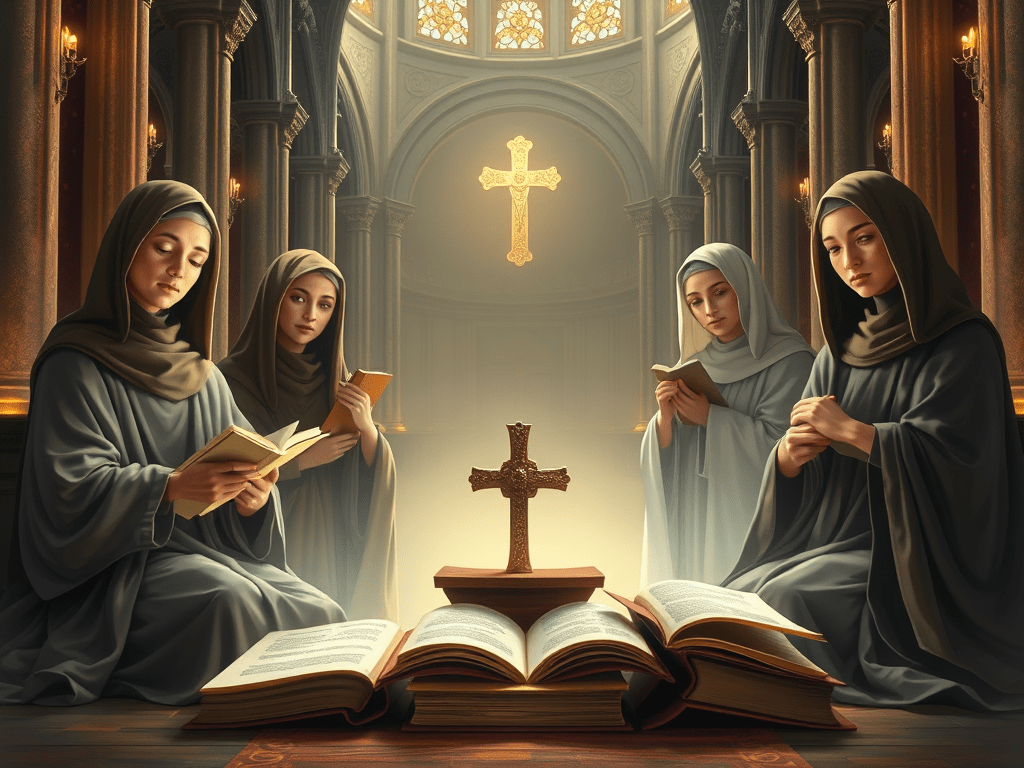
Prayerful Reflection (Lectio Divina)—Lectio Divina is a traditional Catholic way of studying Scripture. It is a meditative reading that seeks to encounter God through His Word.
Overall, Catholic Bible study goes beyond simply gaining knowledge or understanding the historical context of Scripture. At its core, it is about deepening one’s relationship with God and growing in faith.
When Catholics engage with the Bible, they do so with the goal of encountering Christ through His Word. They see His presence and their place in it within the pages of the Scriptures. And allowing those encounters to shape their lives.
In the Catholic tradition, Scripture is not just a book to study. But a living, dynamic way God speaks to His people today.
Catholics believe that the Bible is inspired by the Holy Spirit. The Holy Spirit reveals God’s plan of salvation, ultimately leading believers to a deeper relationship with Christ. Bible study, therefore, becomes an opportunity to understand God’s will and apply it to one’s life.
Furthermore, Catholic Bible study is deeply connected to the sacraments and the life of the Church. The teachings of the Bible are not only learned intellectually. But also lived out in worship, prayer, and service to others.
For Catholics, the Bible guides them in living the Gospel, providing the foundation for a Christ-centred life. This means that Bible study is intertwined with moral and ethical living. It motivates believers to love their neighbours, forgive others, serve the poor, and seek justice, as Christ taught.
Catholic Bible study also emphasises the importance of community. The Church sees the Bible not only as something individuals should study. But also something that is interpreted and lived out within the context of the Christian community.
Catholics participate in Bible study as part of a larger tradition of faith passed down through the generations. This communal aspect encourages accountability and shared growth, helping believers understand the Word more deeply and in a more communal way.
In summary, Catholic Bible study is about much more than intellectual knowledge. It’s about a transformative journey of faith. Transformative living is where the Scriptures lead to personal encounters with Christ.
The Bible guides us to live out the Gospel in our everyday lives. The Bible helps us reflect on God’s love and grace in the way it does.
Key Aspects of Protestant Bible Study
Protestant Bible study is centred on the belief that Scripture alone (Sola Scriptura). This is the ultimate authority in matters of faith and practice. It emphasises personal interpretation, direct engagement with God’s Word, and application to daily life.
Scripture as the Final Authority
- Most Protestant traditions believe the Bible is self-sufficient for teaching, correction, and guidance (2 Timothy 3:16-17).
- Unlike Catholics, Protestants generally do not rely on Church tradition or a magisterium for interpretation. But self-interpretation is encouraged.
Personal Study and Interpretation
- Individuals are encouraged to read and interpret Scripture for themselves, often believing that the Holy Spirit guides their understanding.
- Study tools like concordances, commentaries, and Bible dictionaries help provide context.
Small Groups and Bible Studies
- Many churches promote group Bible studies where believers discuss Scripture, share insights, and encourage one another.
- These studies can be structured around themes, books of the Bible, or topical issues.
Sermon-Centered Learning
- Preaching is central in Protestant worship, often focusing on expository (verse-by-verse) or topical teaching. In the Catholic Mass, the Eucharist is at the centre of worship.
- Pastors are expected to study the Bible and present its teachings clearly and deeply.
Application to Daily Life
- Bible study is not just for knowledge but for transformation, encouraging believers to live according to biblical principles.
- Many Protestant traditions emphasise memorisation, personal devotionals, and journaling.
Emphasis on Evangelism
- Many Protestant Bible studies focus on understanding Scripture to share the Gospel and disciple others.
While approaches vary among denominations, Protestant Bible study is deeply personal. It is community-driven and centred on the belief that Scripture alone is the ultimate guide for faith and life.
Overall, Catholic Bible study is not just about gaining knowledge. It’s about deepening faith, encountering Christ, and living out the Gospel in daily life and sharing it with the world.
☕ If you’d like to support what I am doing: Buy Me a Coffee. If you find my videos & writing inspiring and uplifting, consider supporting what I do. Buy me a coffee. Your support makes a difference in my life and helps me create more of what you and I like. Thank you
For Inspirational Videos Click HERE
I’m Paula Rose Parish — a former atheist of 21 years, Protestant pastor for over 40 years, and now a Catholic convert. After a powerful encounter where Jesus audibly called me to follow Him, my life was forever changed. I’ve ministered across Australia, the USA, and the UK, and today, I share my journey of faith, hope, and transformation.
This is a place for seekers, converts, reverts, and the curious. Here, you’ll find honest conversations about Catholicism, personal testimony, theological insight, and encouragement for those walking toward (or wondering about) the Catholic Church.
🕊️ From Atheism to Faith. From Pastor to Catholic.
📖 Read my blog: www.almostcatholic.blog
🌿For Free Holistic Well-being Resources www.paularoseparish.org
And Videos- YouTube https://www.youtube.com/channel/UCvdQ4NPTNfXSnwd3pimPh0g
🕊️You can also find all my Books by following the links to Amazon.com or Amazon.co.uk
🙏 Subscribe, like, and share if you find something meaningful here.
Jesus loves you — and He’s calling you home. Welcome to the journey. 💕✝️
Contact by Email: paularoseparish@gmail.com
If you are struggling to find non-judgmental advice or support, please feel free to contact me. If you are grieving and need to talk or seek spiritual help, drop me an email to chat with me.
In the comments section, I would love for you to share your faith stories and comments with this community.
#catholichurch #protestant #journeyhome #catholicapologetics #rcia #paularoseparish
Copyright © 2024. Paula Rose Parish. All Rights Reserved
We seek to foster a sense of community. All blog posts are here for your encouragement and to share with others. You will find various topics relevant to faith and wellness in everyday life.


Thanks for your Visit Here, feel free to leave a comment 💟